
–
Climate Change and Its Geographic Impacts Around the World
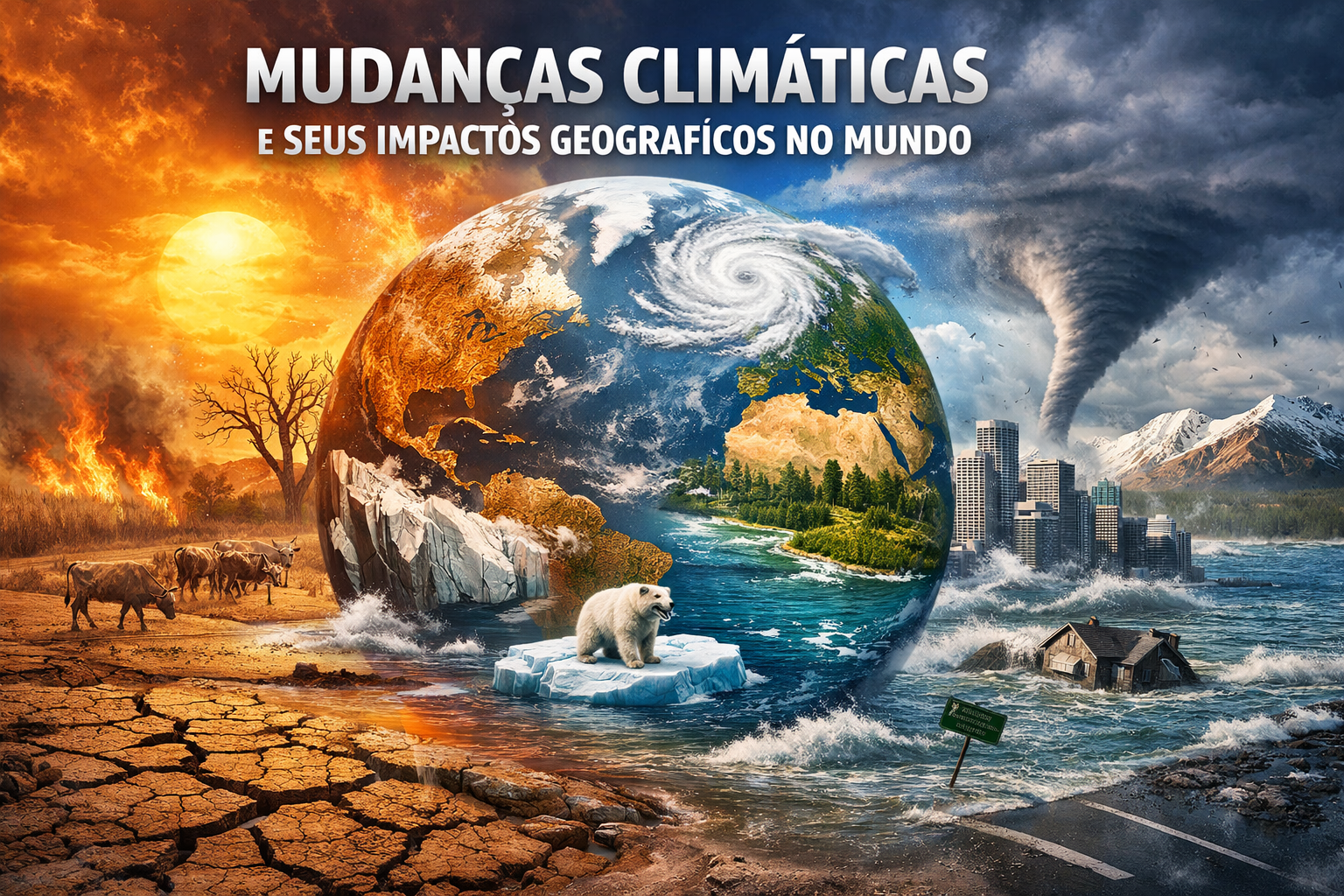
Climate change is no longer a distant threat or a theoretical concept discussed only in scientific circles. It is a global reality that is actively reshaping the physical geography of the planet. Rising global temperatures, melting ice caps, extreme weather events, and shifting ecosystems are transforming landscapes, coastlines, and human settlements across every continent.
Understanding the geographic impacts of climate change is essential for governments, researchers, educators, and citizens who seek to adapt to a rapidly changing world. From disappearing islands to expanding deserts, the planet’s geography is undergoing profound and measurable transformations.
Understanding Climate Change from a Geographic Perspective
What Is Climate Change?
Climate change refers to long-term shifts in temperature, precipitation patterns, and atmospheric conditions on Earth. While natural climate variations have occurred throughout history, the current phase of climate change is largely driven by human activities, particularly the burning of fossil fuels, deforestation, and industrial processes.
These activities increase concentrations of greenhouse gases such as carbon dioxide and methane, trapping heat in the atmosphere and altering Earth’s climate systems at an unprecedented pace.
Why Geography Matters in Climate Change
Geography plays a critical role in how climate change manifests across the globe. Different regions experience distinct impacts depending on latitude, altitude, ocean proximity, and existing environmental conditions. As a result, climate change does not affect all areas equally, creating complex geographic patterns of vulnerability and resilience.
Rising Sea Levels and Coastal Transformation
Melting Ice and Thermal Expansion
One of the most visible geographic impacts of climate change is rising sea levels. According to recent scientific findings, global sea levels have risen significantly due to the melting of glaciers and polar ice sheets, combined with the thermal expansion of seawater as it warms.
Low-lying coastal regions, deltas, and island nations are particularly vulnerable. Areas such as the Maldives, Pacific island states, and parts of Southeast Asia face the risk of partial or total submersion within this century.
Coastal Erosion and Habitat Loss
Rising seas accelerate coastal erosion, leading to the loss of beaches, wetlands, and mangrove forests. These ecosystems are essential for protecting shorelines from storms and supporting biodiversity. Their disappearance increases the geographic exposure of coastal communities to flooding and extreme weather events.
Melting Glaciers and Changing Mountain Landscapes
Glacier Retreat Worldwide
Mountain glaciers are retreating at alarming rates across the Andes, Himalayas, Alps, and Rocky Mountains. Satellite data and field measurements reveal that many glaciers have lost more than half of their mass over the past century.
This transformation dramatically alters mountain geography, affecting river systems, water availability, and regional climate patterns.
Impacts on Water Resources
Millions of people depend on glacier-fed rivers for drinking water, agriculture, and energy production. As glaciers shrink, short-term flooding risks increase, followed by long-term water shortages that reshape both physical and human geography.
Desertification and Land Degradation
Expanding Arid Regions
Climate change is intensifying desertification in vulnerable regions such as sub-Saharan Africa, the Middle East, and parts of Central Asia. Rising temperatures and reduced rainfall degrade soil quality, transforming fertile land into arid landscapes.
This geographic shift threatens food security and forces populations to migrate, altering settlement patterns and regional demographics.
Recent Scientific Discoveries
Recent climate models show that drylands could expand by up to 20% globally by the end of the century if current emission trends continue. This represents one of the most significant geographic transformations linked to climate change.
Extreme Weather and Geographic Disruption
Heatwaves, Storms, and Floods
Extreme weather events are becoming more frequent and intense due to climate change. Heatwaves reshape urban geography by increasing heat islands, while stronger hurricanes and cyclones redefine coastal and inland landscapes.
Flooding events alter river courses, destroy infrastructure, and permanently change landforms in affected regions.
Urban Geography Under Pressure
Cities face unique geographic challenges as climate change intensifies. Rising temperatures, water scarcity, and flooding force urban planners to rethink land use, transportation networks, and housing development.
Climate Change and Ecosystem Shifts
Shifting Biomes
As temperatures rise, ecosystems are migrating toward the poles and higher altitudes. Forests expand into tundra regions, while coral reefs suffer massive bleaching due to warming oceans.
These shifts redefine natural geographic boundaries and disrupt long-established ecological balances.
Biodiversity Hotspots at Risk
Many of the world’s biodiversity hotspots are located in regions highly sensitive to climate change. Geographic changes in temperature and rainfall patterns threaten thousands of species with extinction, leading to irreversible environmental transformations.
Human Geography and Climate-Induced Migration
Climate Refugees
One of the most pressing geographic consequences of climate change is human displacement. Rising seas, droughts, and extreme weather are forcing millions to leave their homes, creating new migration routes and reshaping population distribution.
Recent reports indicate that climate-related displacement could affect over 200 million people by 2050.
Socioeconomic Impacts
These migrations place pressure on urban centers, alter labor markets, and challenge political boundaries. Climate change is increasingly recognized as a key factor influencing global human geography.
Future Geographic Scenarios and Adaptation
Scientific Projections
Advanced climate models provide detailed projections of future geographic changes. These models highlight the importance of mitigation strategies to limit temperature rise and reduce severe geographic disruptions.
Adaptation Strategies
Governments and communities worldwide are investing in climate-resilient infrastructure, coastal defenses, sustainable land management, and ecosystem restoration to adapt to changing geographic realities.
Frequently Asked Questions (FAQ)
How does climate change affect geography?
Climate change alters geography by reshaping coastlines, melting glaciers, expanding deserts, and shifting ecosystems, fundamentally changing Earth’s physical and human landscapes.
Which regions are most affected by climate change?
Coastal areas, polar regions, drylands, and biodiversity hotspots are among the most vulnerable to climate-related geographic changes.
Can geographic impacts of climate change be reversed?
Some impacts are irreversible, such as species extinction and glacier loss. However, mitigation and adaptation can reduce future damage and protect vulnerable regions.
Why is geography important in climate studies?
Geography helps explain why climate change impacts vary by region, guiding targeted solutions and adaptation strategies.
Conclusion
Climate change is transforming the geography of the world in profound and measurable ways. From rising seas and melting glaciers to shifting ecosystems and human migration, these geographic impacts redefine how we understand our planet.
The latest scientific data confirms that these changes are accelerating, making immediate action essential. By understanding the geographic dimensions of climate change, societies can better prepare for the future, protect vulnerable regions, and promote sustainable development in an increasingly unpredictable world.
COPYRIGHT NOTICE.

This video was embedded from YouTube and is licensed under Creative Commons (CC BY), which permits its reuse.

Credit to the original author as required by the license.