
ARTICLE IN ENGLISH –
VIDEO IN ENGLISH –
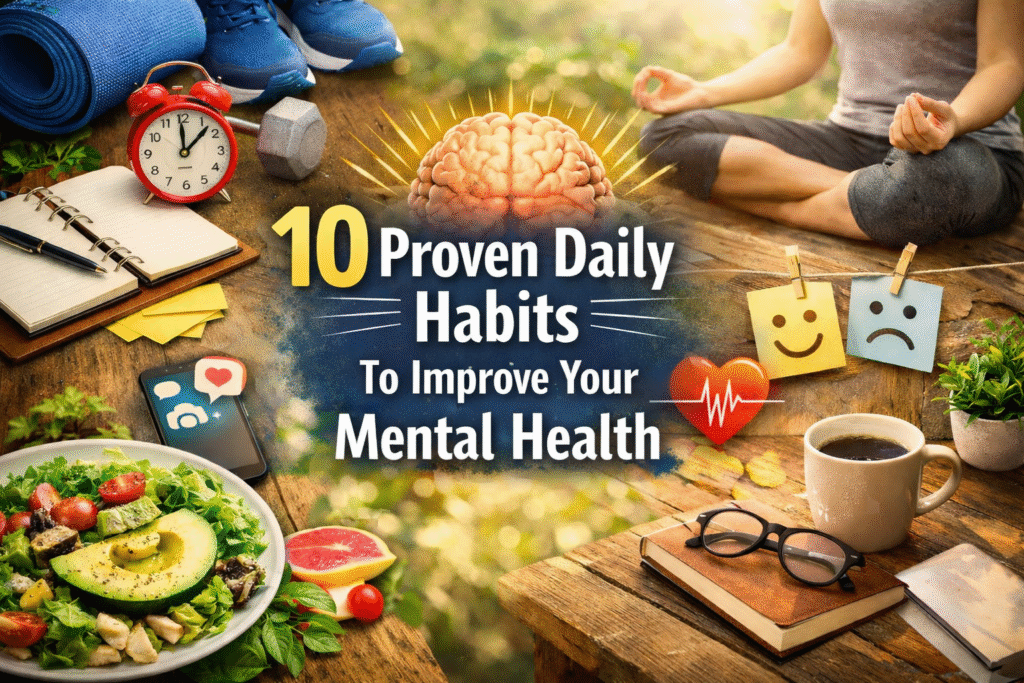
10 Habits Scientifically Proven to Improve Your Mental Health
Daily habits for mental health can dramatically transform how you think, feel, and respond to life’s challenges. In a world marked by constant information overload, stress, and emotional pressure, maintaining psychological balance has become one of the most important aspects of modern life.
Scientific research consistently shows that small, consistent behaviors practiced every day can significantly improve mood, resilience, focus, and emotional stability. These habits are not quick fixes or motivational clichés — they are evidence-based practices supported by psychology, neuroscience, and behavioral science.
In this article, you will discover 10 scientifically proven daily habits that improve mental health, reduce stress, and help build a stronger, more resilient mind. More importantly, you will understand how these habits work and how to integrate them naturally into your routine.
Why Daily Habits Play a Crucial Role in Mental Health
Mental health is not determined by a single event or isolated decision. Instead, it is strongly shaped by repeated behaviors and lifestyle patterns. Research in behavioral psychology demonstrates that consistent routines regulate brain chemistry, emotional responses, and stress levels.
Healthy habits influence key biological mechanisms such as:
- Neurotransmitter balance (serotonin, dopamine, endorphins)
- Stress hormone regulation (cortisol)
- Sleep cycle stability
- Cognitive performance and emotional processing
When these systems operate in harmony, individuals experience better mood stability, improved focus, and stronger emotional resilience.
The following habits represent some of the most reliable and accessible strategies supported by scientific evidence.
1. Start the Day with Natural Sunlight
Exposure to natural sunlight shortly after waking up is one of the simplest and most powerful ways to regulate mental health.
Morning sunlight stimulates the brain’s production of serotonin, a neurotransmitter associated with mood regulation and emotional well-being. It also helps regulate the circadian rhythm, which directly affects sleep quality.
Benefits of morning sunlight include:
- Improved mood and emotional stability
- Better sleep at night
- Higher daytime energy levels
- Reduced symptoms of depression
Spending just 10 to 20 minutes outdoors in the morning can have measurable psychological benefits.
2. Practice Daily Physical Activity
Regular movement is widely recognized as one of the most effective natural treatments for anxiety and depression.
Exercise stimulates the release of endorphins, often referred to as the body’s natural mood enhancers. It also increases blood flow to the brain, supporting cognitive performance and emotional regulation.
Scientifically supported mental health benefits of exercise include:
- Reduced anxiety and stress levels
- Improved self-esteem
- Better emotional resilience
- Enhanced concentration
Even moderate activities such as walking, cycling, or stretching for 30 minutes per day can significantly improve psychological well-being.
3. Maintain Consistent Sleep Patterns
Sleep is one of the most underestimated factors in mental health. Chronic sleep disruption is strongly associated with anxiety disorders, depression, and emotional instability.
During sleep, the brain performs essential processes:
- Memory consolidation
- Emotional regulation
- Stress hormone recalibration
- Neural repair and detoxification
To support mental health, experts recommend:
- Sleeping 7–9 hours per night
- Maintaining consistent sleep and wake times
- Avoiding screens before bedtime
- Creating a calm sleep environment
Improving sleep quality often leads to rapid improvements in mood and cognitive clarity.
4. Practice Mindfulness or Meditation
Mindfulness meditation has been extensively studied in neuroscience and clinical psychology. Research shows it can significantly reduce symptoms of anxiety, stress, and emotional reactivity.
This practice trains the brain to remain present, reducing the constant mental rumination that fuels stress and negative thinking.
Key mental health benefits include:
- Lower stress hormone levels
- Improved emotional regulation
- Greater mental clarity
- Reduced overthinking
Even 10 minutes of mindfulness per day can begin to rewire neural pathways associated with stress management.
5. Maintain Meaningful Social Connections
Human beings are biologically wired for connection. Social isolation has been linked to increased risk of depression, anxiety, and even physical illness.
Positive social interactions stimulate the release of oxytocin, a hormone associated with trust, bonding, and emotional security.
Healthy social habits may include:
- Regular conversations with friends or family
- Participating in community activities
- Sharing experiences and emotions
- Seeking supportive relationships
Even brief daily social interactions can significantly improve emotional well-being.
6. Limit Digital Overload and Social Media
Excessive screen time and social media exposure are increasingly associated with anxiety, comparison stress, and attention fragmentation.
While digital technology provides valuable connectivity, constant information consumption can overload the brain.
Healthy digital boundaries may include:
- Scheduled phone-free periods
- Limiting social media usage
- Reducing exposure to negative news cycles
- Creating technology-free moments before sleep
These small adjustments help restore mental clarity and emotional balance.
7. Develop a Daily Gratitude Practice
Gratitude exercises have been shown to activate brain regions associated with positive emotions and long-term happiness.
By consciously focusing on positive aspects of life, individuals train their brains to counteract the natural human bias toward negative experiences.
Simple gratitude practices include:
- Writing three positive moments from the day
- Expressing appreciation to others
- Reflecting on personal achievements
Over time, gratitude strengthens psychological resilience and promotes a more optimistic outlook.
8. Nourish the Brain with Balanced Nutrition
Nutrition plays a crucial role in mental health. The brain consumes about 20% of the body’s energy, and its performance depends heavily on nutrient intake.
Research increasingly links diet quality to emotional well-being and cognitive performance.
Brain-supportive foods include:
- Omega-3 rich fish
- Whole grains
- Leafy green vegetables
- Nuts and seeds
- Fermented foods supporting gut health
The emerging field of nutritional psychiatry highlights how diet influences mood and mental resilience.
9. Engage in Meaningful Activities
A sense of purpose is a powerful psychological protective factor. Engaging in activities that provide meaning and personal fulfillment significantly improves emotional well-being.
These activities may include:
- Creative hobbies
- Learning new skills
- Volunteering
- Personal development projects
Purpose-driven activities stimulate dopamine pathways associated with motivation and long-term satisfaction.
10. Create Moments of Intentional Rest
Modern productivity culture often glorifies constant activity, but the brain requires regular recovery periods to function optimally.
Intentional rest helps prevent mental fatigue and emotional burnout.
Healthy rest practices include:
- Short breaks during work
- Deep breathing exercises
- Nature exposure
- Quiet reflection time
These restorative pauses allow the nervous system to reset and maintain long-term mental stability.
Common Mistakes People Make When Trying to Improve Mental Health
Many individuals attempt to improve their mental health but become discouraged due to unrealistic expectations or inconsistent habits.
Some common mistakes include:
- Trying to change too many habits at once
- Expecting immediate results
- Ignoring sleep and lifestyle factors
- Comparing progress with others
Sustainable mental health improvement typically comes from gradual, consistent changes rather than dramatic short-term transformations.
FAQ: Mental Health Habits
How long does it take for daily habits to improve mental health?
Research suggests that consistent habits can begin influencing mood and emotional stability within a few weeks. However, long-term psychological benefits typically emerge after several months of sustained practice.
What is the most important habit for mental health?
While many habits contribute to emotional well-being, sleep quality, regular exercise, and strong social connections consistently appear among the most influential factors in mental health research.
Can lifestyle changes reduce symptoms of anxiety and depression?
Yes. Numerous studies show that lifestyle interventions such as exercise, improved sleep, mindfulness practices, and social engagement can significantly reduce symptoms of anxiety and depression.
Do small habits really make a difference?
Absolutely. Behavioral science shows that small, consistent actions compound over time, gradually reshaping neural pathways and emotional responses.
Are mental health habits a substitute for professional treatment?
No. While healthy habits can significantly support mental well-being, individuals experiencing severe mental health conditions should always seek guidance from qualified healthcare professionals.
Conclusion: Small Daily Actions Can Transform Mental Well-Being
Mental health is not determined by a single decision or moment of motivation. Instead, it emerges from the daily habits that shape how the brain processes stress, emotions, and experiences.
The ten practices presented in this article are supported by scientific research and widely recommended by psychologists, neuroscientists, and health professionals.
By integrating even a few of these habits into everyday life, individuals can gradually build stronger emotional resilience, greater mental clarity, and a deeper sense of well-being.
In the long term, the true power of mental health improvement lies not in dramatic transformations, but in the consistent practice of simple, meaningful behaviors repeated day after day.
COPYRIGHT NOTICE.

This video was embedded from YouTube and is licensed under  "CREATIVE COMMONS"  (CC BY), which      P   E   R   M   I   T   S       its reuse.

CREDITS TO THE ORIGINAL AUTHOR as required by the license.