
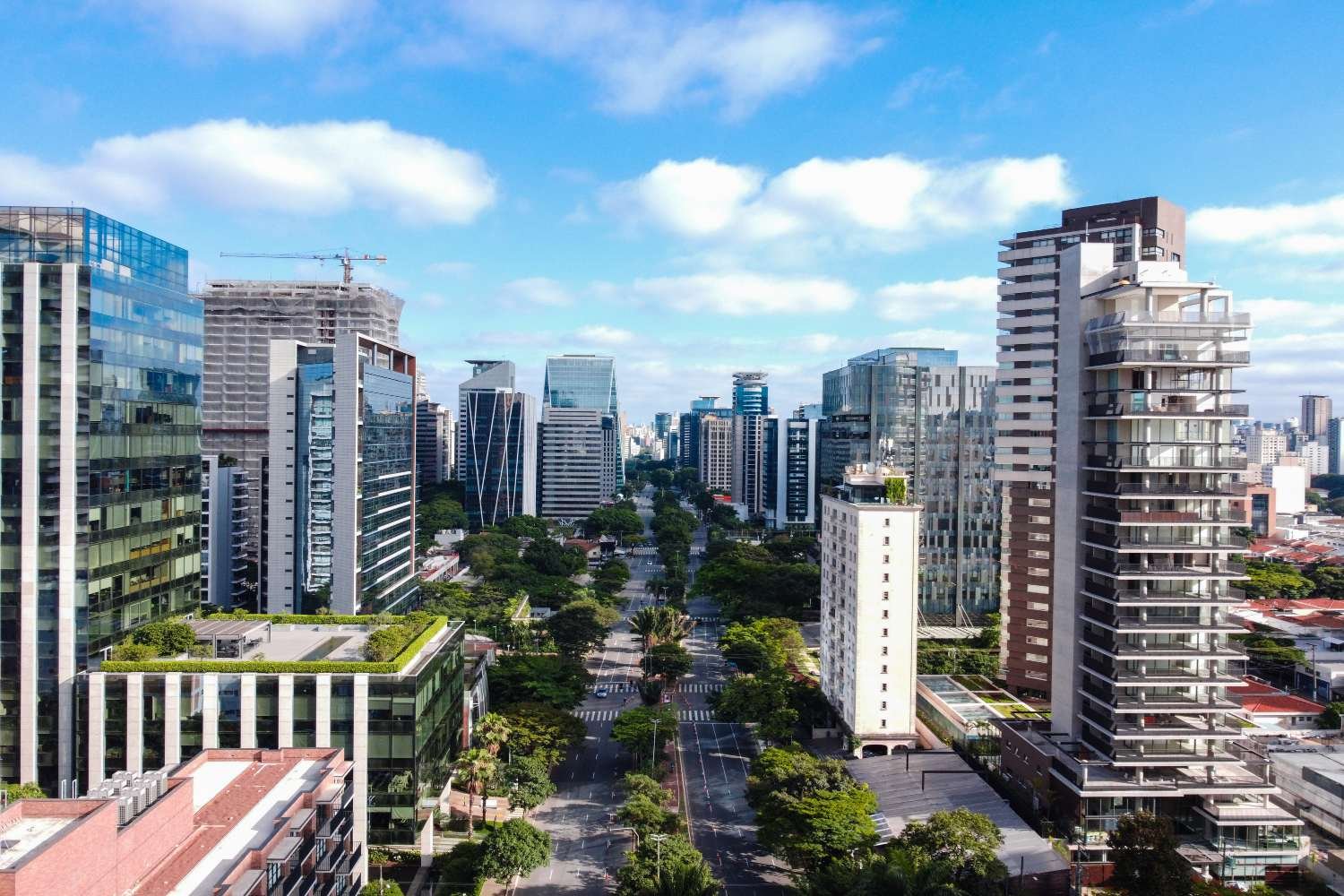
SÃO PAULO – BRAZIL
Cities of the future are no longer just science fiction concepts. Around the world, rapid urbanization, climate change, and technological innovation are transforming how cities are designed and managed. As urban populations continue to grow, the need for smarter, more sustainable, and people-centered cities becomes increasingly urgent.
In this context, technology, sustainability, and quality of life form the foundation of modern urban development. This article explores how smart cities are shaping the future, which technologies are driving this transformation, and how sustainable planning improves everyday life for citizens.
What Are Cities of the Future?
Cities of the future, often referred to as smart cities, use digital technologies, data analysis, and innovation to enhance urban services, optimize resources, and reduce environmental impact.
These cities integrate intelligent systems across transportation, energy, healthcare, public safety, education, and governance. The main goal is to create efficient, resilient, and inclusive urban environments that meet present needs without compromising future generations.
The Role of Technology in Smart Cities
Internet of Things (IoT)
The Internet of Things (IoT) plays a crucial role in the development of cities of the future. Connected sensors collect real-time data on traffic flow, air quality, energy consumption, and public infrastructure usage.
This information allows city managers to make faster and more informed decisions, reducing waste, lowering costs, and improving the overall efficiency of urban services.
Artificial Intelligence and Big Data
Artificial intelligence and Big Data enable cities to analyze massive amounts of information and predict future challenges. AI-powered systems can forecast traffic congestion, improve public transportation routes, and identify areas that require greater attention in terms of safety or infrastructure.
As a result, cities become proactive rather than reactive, anticipating problems before they impact citizens.
Connectivity and 5G Networks
Connectivity is the backbone of smart cities. The expansion of 5G networks enables instant communication between devices, improving services such as telemedicine, online education, smart traffic systems, and emergency response.
Greater connectivity also promotes digital inclusion, ensuring more citizens can access essential services and information.
Sustainability as a Core Principle
Renewable Energy and Energy Efficiency
Sustainability is a central element of cities of the future. The adoption of renewable energy sources, such as solar and wind power, reduces dependence on fossil fuels and lowers greenhouse gas emissions.
Smart buildings equipped with energy-efficient systems help minimize consumption, reduce costs, and contribute to long-term environmental protection.
Smart Waste Management
Waste management is a major urban challenge. Smart cities use technology to optimize waste collection, encourage recycling, and reduce landfill use.
For example, sensors in waste containers indicate when collection is needed, improving efficiency and reducing fuel consumption.
Sustainable Urban Mobility
The future of urban mobility is closely linked to sustainability. Cities of the future promote efficient public transportation, cycling infrastructure, electric vehicles, and shared mobility solutions.
Urban planning that prioritizes people over cars leads to cleaner air, reduced traffic congestion, and healthier communities.
Quality of Life at the Center of Urban Planning
Green Spaces and Well-Being
Future cities recognize the importance of green spaces for physical and mental health. Parks, urban gardens, and recreational areas improve air quality, reduce stress, and enhance social interaction.
Access to nature within urban environments is essential for a balanced and healthy lifestyle.
Smart Safety and Healthcare
Technology-driven security systems, smart lighting, and data analysis help make cities safer. Surveillance systems combined with AI can prevent crime and improve emergency response times.
In healthcare, digital solutions enable remote consultations, patient monitoring, and faster medical assistance, improving access and efficiency.
Citizen Participation and Digital Governance
A truly smart city is also a participatory city. Digital platforms allow citizens to report issues, contribute ideas, and engage in decision-making processes.
This transparency strengthens trust between governments and communities while promoting more responsive governance.
Challenges in Building Cities of the Future
Despite their benefits, cities of the future face several challenges. Data privacy, cybersecurity, social inequality, and high implementation costs must be carefully managed.
Successful urban transformation requires strategic planning, inclusive policies, and collaboration between governments, private companies, and citizens.
Conclusion
Cities of the future offer a powerful opportunity to rethink urban life. By integrating advanced technology, sustainable practices, and a strong focus on quality of life, cities can become more resilient, efficient, and inclusive.
Investing in smart and sustainable cities is not just an option—it is a necessity for creating a better urban future for generations to come.
FAQ – Frequently Asked Questions
What are cities of the future?
They are cities that use technology and sustainability to improve public services, reduce environmental impact, and enhance quality of life.
What is the difference between smart cities and sustainable cities?
Smart cities focus on technology and data, while sustainable cities prioritize environmental balance. Cities of the future combine both concepts.
How does technology improve urban quality of life?
Technology enhances transportation, healthcare, safety, and energy efficiency, making cities more livable and efficient.
Are cities of the future accessible to everyone?
The goal is inclusivity, but this depends on public policies that ensure equal access to technology and essential services.
Which countries are leading in smart city development?
Countries such as Singapore, the Netherlands, Japan, South Korea, and Canada are global leaders in smart city initiatives.
AVISOS DE DIREITOS AUTORAIS.
Este vídeo foi incorporado do YouTube e está licenciado sob CREATIVE COMMONS (CC BY), o que permite sua reutilização.
Créditos ao autor original conforme exigido pela licença.