
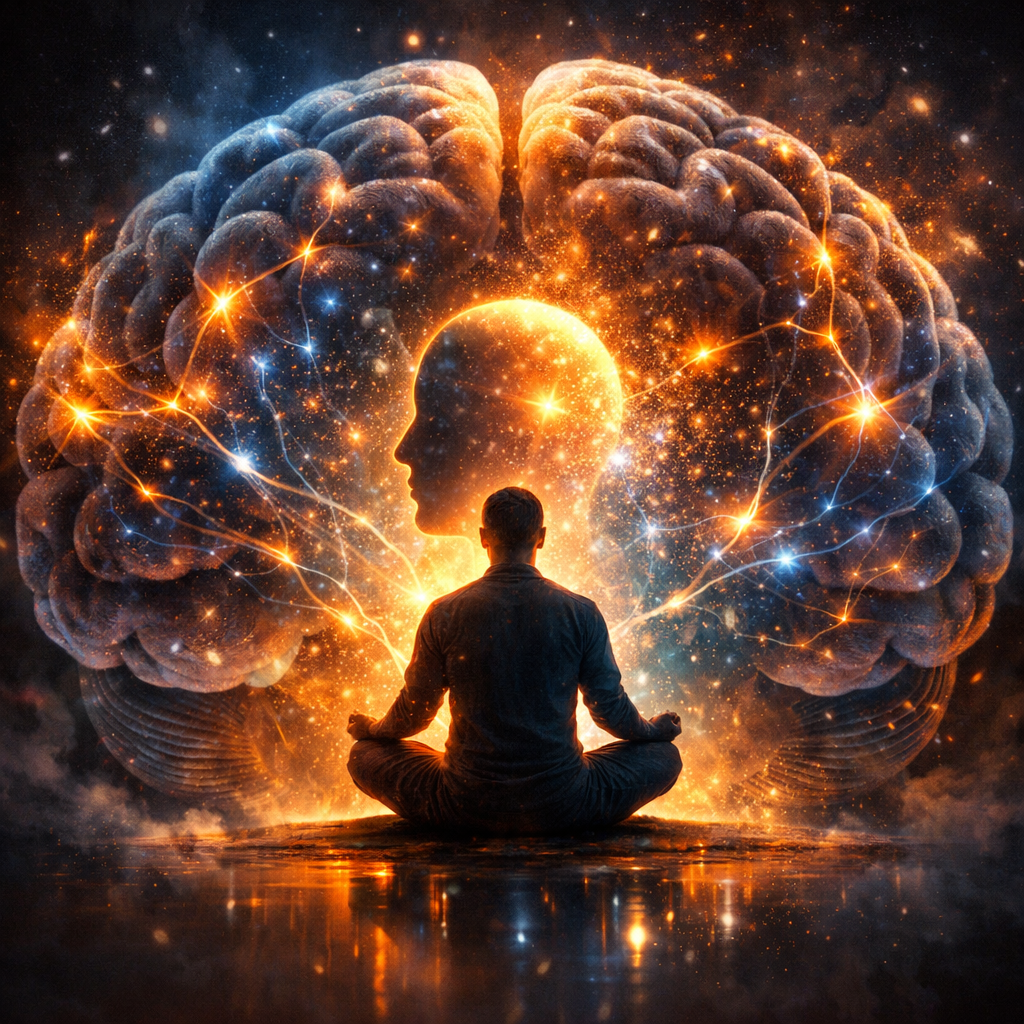
Artificial Intelligence (AI) is no longer a distant concept from science fiction. It is already deeply embedded in our daily lives, from virtual assistants and recommendation algorithms to autonomous vehicles and advanced medical diagnostics. As AI systems become more powerful, a critical question emerges: can artificial intelligence surpass human intelligence?
This question fascinates scientists, entrepreneurs, philosophers, and the general public alike. It touches not only on technological capability but also on the future of humanity itself. In this article, we explore what intelligence truly means, how AI works, where it excels, where it falls short, and whether machines could one day outperform humans in every cognitive domain.
What Do We Mean by Intelligence?
Before comparing artificial intelligence and human intelligence, it is essential to define what intelligence actually is. Human intelligence is a complex combination of reasoning, creativity, emotional understanding, adaptability, consciousness, and moral judgment.
Human Intelligence: More Than Logic
Humans possess emotional intelligence, intuition, ethical awareness, and the ability to understand context in ambiguous situations. We learn not only from data but also from experience, culture, and social interaction.
Artificial Intelligence: Data-Driven Intelligence
Artificial intelligence, on the other hand, relies on algorithms, massive datasets, and computational power. Modern AI systems use machine learning and deep learning models to recognize patterns, make predictions, and optimize decisions at a speed no human can match.
Narrow AI vs Artificial General Intelligence
Most AI systems today are classified as Narrow AI, meaning they are designed to perform specific tasks exceptionally well.
Examples of Narrow AI
- Image and facial recognition
- Language translation
- Medical image analysis
- Financial market predictions
While impressive, Narrow AI does not truly “understand” what it is doing.
Artificial General Intelligence (AGI)
The real debate begins with Artificial General Intelligence — a hypothetical form of AI capable of performing any intellectual task that a human can. AGI would be able to reason, learn, adapt, and apply knowledge across multiple domains.
Currently, AGI does not exist, but it remains the ultimate goal of AI research.
Areas Where AI Already Surpasses Humans
In certain domains, artificial intelligence already outperforms humans.
Speed and Data Processing
AI can analyze millions of data points in seconds. Humans simply cannot compete with machines in terms of speed, memory capacity, and pattern recognition at scale.
Precision and Consistency
AI systems do not suffer from fatigue, emotional bias, or distraction. In tasks such as quality control, diagnostics, and optimization, machines are often more accurate than humans.
Strategic Games
AI systems like AlphaGo have defeated the world’s best human players in complex strategy games, demonstrating advanced planning and learning capabilities.
Where Human Intelligence Still Dominates
Despite rapid progress, AI still struggles in areas that come naturally to humans.
Creativity and Original Thought
While AI can generate art, music, and text, it does so by recombining existing patterns. Human creativity involves imagination, emotion, and lived experience.
Emotional and Social Intelligence
Understanding emotions, empathy, and social nuance remains a major challenge for AI systems.
Ethics and Moral Judgment
AI does not possess values or moral responsibility. Ethical decision-making is still fundamentally human.
Could AI Become Superintelligent?
Some experts warn about the possibility of Artificial Superintelligence, a form of AI that surpasses human intelligence in all areas, including creativity, wisdom, and problem-solving.
The Intelligence Explosion Hypothesis
The idea suggests that once AI reaches human-level intelligence, it could improve itself recursively, leading to rapid and uncontrollable growth in capability.
Potential Risks
- Loss of human control
- Economic disruption
- Ethical and existential risks
AI and the Future of Work
AI surpassing human intelligence in certain tasks raises concerns about employment and economic inequality.
Jobs at Risk
Repetitive and predictable jobs are the most vulnerable to automation.
New Opportunities
At the same time, AI creates new roles in technology, ethics, creativity, and human-centered services.
The Role of Ethics and Regulation
If AI continues to evolve, ethical frameworks and regulation will be essential.
Responsible AI Development
Transparency, fairness, and accountability must guide AI research and deployment.
Human-Centered AI
Rather than replacing humans, many experts advocate for AI systems designed to augment human intelligence.
Fascinating Possibilities Ahead
AI could help solve humanity’s greatest challenges, from climate change and disease to space exploration and scientific discovery.
The most exciting future may not be one where AI replaces humans, but where humans and intelligent machines collaborate in unprecedented ways.
Frequently Asked Questions (FAQ)
Can AI really become smarter than humans?
AI can already surpass humans in specific tasks, but achieving general intelligence comparable to humans remains uncertain.
Is Artificial General Intelligence close?
Most experts believe AGI is still decades away, though progress is accelerating.
Should we fear AI?
AI itself is not inherently dangerous, but irresponsible development and misuse pose real risks.
Will AI replace all jobs?
AI will transform the job market, but it is more likely to change jobs than eliminate all human work.
Conclusion
So, can artificial intelligence surpass human intelligence? In narrow domains, it already has. In general intelligence, creativity, emotional understanding, and ethical reasoning, humans still lead.
The future of AI is not a simple competition between humans and machines. It is a complex, fascinating journey that will redefine intelligence itself. The challenge ahead is ensuring that AI development remains aligned with human values, creativity, and well-being.
Ultimately, the most powerful intelligence may emerge not from machines alone, but from the synergy between human minds and artificial intelligence.
AVISOS DE DIREITOS AUTORAIS.
Este vídeo foi incorporado do YouTube e está licenciado sob “CREAVIVE COMMONS” (CC BY), o que permite sua reutilização.
Créditos ao autor original conforme exigido pela licença.