
ARTICLE IN ENGLISH –
CHECK OUT THE VIDEO –
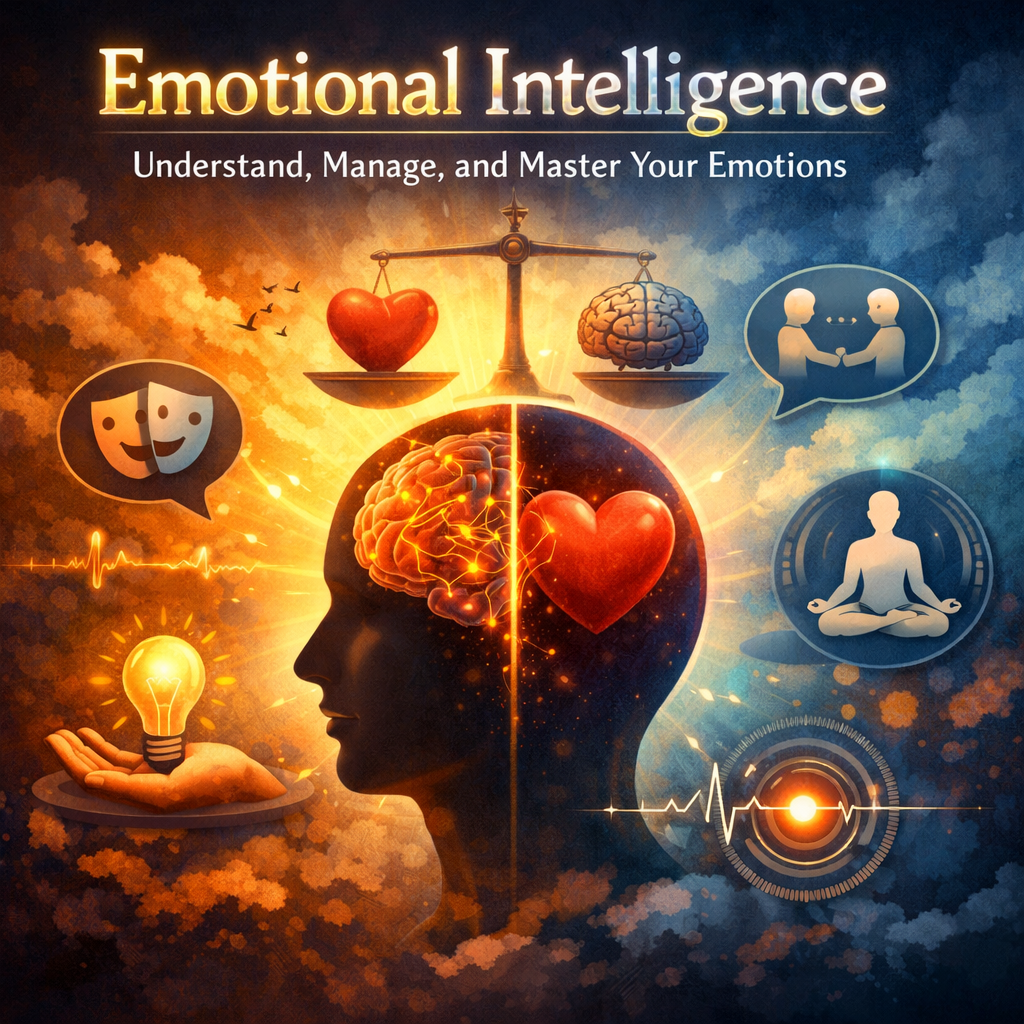
Emotional intelligence has become one of the most valuable skills in modern society. In a world shaped by constant change, digital communication, and professional pressure, the ability to understand and manage emotions is no longer optional. It directly affects how people think, decide, relate, and perform in both personal and professional environments.
Unlike technical skills, emotional intelligence influences behavior, leadership, mental health, and long-term success. It explains why individuals with average intelligence often outperform those with higher IQs, especially in collaborative and high-pressure settings.
What Is Emotional Intelligence?
Emotional intelligence (EI) refers to the ability to recognize, understand, manage, and influence emotions in oneself and others. It is a set of emotional and social skills that shape how individuals navigate challenges, build relationships, and make decisions.
Rather than suppressing emotions, emotional intelligence promotes awareness and balance. It helps people respond thoughtfully instead of reacting impulsively, even in stressful or emotionally charged situations.
The Core Components of Emotional Intelligence
Emotional intelligence is commonly divided into key components that work together:
- Self-awareness: understanding your emotions and their impact
- Self-regulation: managing emotional reactions constructively
- Motivation: using emotions to pursue goals with persistence
- Empathy: recognizing and understanding others’ emotions
- Social skills: building healthy and effective relationships
Why Is Emotional Intelligence So Important?
The importance of emotional intelligence lies in its practical impact on daily life. Emotions influence decisions, communication, productivity, and well-being. When emotions are unmanaged, they can lead to conflict, stress, and poor judgment.
High emotional intelligence allows individuals to remain composed under pressure, communicate clearly, and adapt to change. These abilities are essential in today’s fast-paced and interconnected world.
Emotional Intelligence and Mental Well-Being
People with strong emotional intelligence tend to experience better mental health. They are more capable of identifying emotional triggers, managing anxiety, and recovering from setbacks.
By understanding emotional patterns, individuals can prevent emotional overload and reduce the risk of burnout. This self-management supports resilience and long-term emotional stability.
The Role of Emotional Intelligence in Professional Success
In the workplace, emotional intelligence is often more influential than technical expertise. Employers increasingly value professionals who can collaborate, communicate effectively, and handle conflict with maturity.
Leadership, in particular, depends heavily on emotional intelligence. Leaders who understand emotions inspire trust, motivate teams, and create healthier work environments.
Emotional Intelligence in Leadership
Effective leaders are emotionally intelligent leaders. They listen actively, manage stress, and respond to challenges with clarity rather than emotion-driven reactions.
By demonstrating empathy and emotional control, leaders foster psychological safety. This leads to higher engagement, productivity, and employee retention.
Teamwork and Communication
Emotional intelligence improves communication by reducing misunderstandings and emotional friction. It encourages active listening, respect, and constructive feedback.
Teams with emotionally intelligent members resolve conflicts faster and collaborate more efficiently, even under pressure.
Emotional Intelligence in Personal Relationships
Beyond professional life, emotional intelligence is fundamental to healthy personal relationships. It enables individuals to express emotions clearly and understand others without judgment.
Strong emotional awareness reduces conflicts and strengthens trust. It also improves emotional intimacy by fostering honest and respectful communication.
Conflict Resolution and Emotional Control
Conflict is inevitable in any relationship. Emotional intelligence helps individuals manage disagreements calmly and focus on solutions rather than blame.
By regulating emotions and practicing empathy, conflicts become opportunities for growth rather than sources of long-term damage.
Can Emotional Intelligence Be Developed?
One of the most important aspects of emotional intelligence is that it is not fixed. Unlike IQ, emotional intelligence can be developed and strengthened over time.
Through intentional practice, reflection, and feedback, individuals can improve their emotional awareness and regulation skills.
Practical Ways to Improve Emotional Intelligence
- Practice self-reflection and emotional awareness
- Develop active listening skills
- Learn to pause before reacting emotionally
- Seek constructive feedback from others
- Strengthen empathy through perspective-taking
Small daily habits can lead to significant emotional growth over time.
Emotional Intelligence in the Digital Age
Digital communication has changed how emotions are expressed and interpreted. Without facial expressions and tone of voice, misunderstandings can easily occur.
Emotional intelligence is essential for navigating online interactions, remote work, and social media responsibly. It helps individuals communicate clearly, manage digital stress, and maintain emotional balance.
Frequently Asked Questions About Emotional Intelligence
Is emotional intelligence more important than IQ?
Both are important, but emotional intelligence often has a greater impact on long-term success, relationships, and leadership effectiveness.
Can emotional intelligence improve career opportunities?
Yes. Professionals with high emotional intelligence are more adaptable, communicative, and effective in team-based environments.
Is emotional intelligence a natural talent?
While some people develop it earlier, emotional intelligence is a skill that can be learned and improved at any stage of life.
How does emotional intelligence affect stress?
It helps individuals recognize stress triggers and apply healthier coping strategies, reducing emotional overload.
Can emotional intelligence improve decision-making?
Yes. By balancing emotion and logic, emotionally intelligent individuals make more thoughtful and consistent decisions.
Conclusion: Emotional Intelligence as a Life Skill
Emotional intelligence is not just a soft skill. It is a critical life skill that shapes how people work, communicate, and live. In an increasingly complex and emotionally demanding world, understanding emotions is a competitive and personal advantage.
By developing emotional intelligence, individuals improve mental well-being, professional performance, and relationship quality. It is a long-term investment with lasting benefits for both personal fulfillment and professional success.
COPYRIGHT NOTICE.

This video was embedded from YouTube and is licensed under Creative Commons (CC BY), which permits its reuse.

Credit to the original author as required by the license.