
ARTICLE IN ENGLISH –
CHECK OUT THE VIDEO –
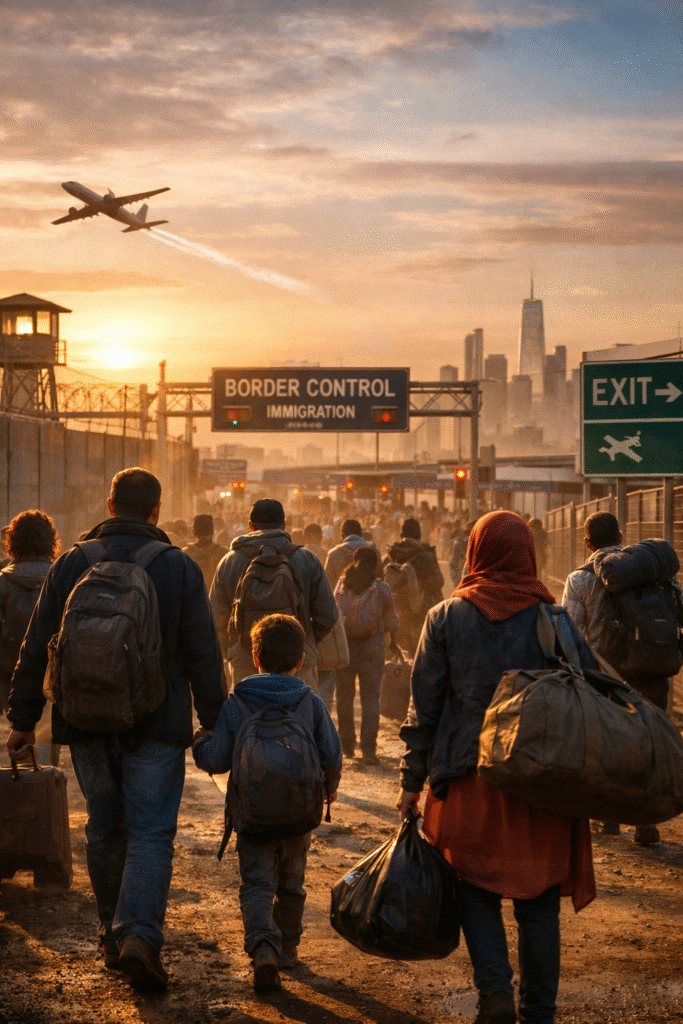
Immigration in the 21st century has become one of the most defining global phenomena of our time. In the first decades of this century alone, international migration has reshaped economies, societies, labor markets, and political debates across continents. People are leaving their home countries in unprecedented numbers, driven by a complex mix of economic, social, environmental, and geopolitical factors.
Understanding why this movement is accelerating—and how it is transforming the world—is essential for governments, businesses, professionals, and societies seeking to adapt to a rapidly changing global reality.
What Is Driving Immigration in the 21st Century?
Modern immigration is not the result of a single cause. Instead, it reflects overlapping pressures that push people to leave and pull them toward new destinations.
Economic inequality and job opportunities
One of the strongest drivers of global immigration trends is economic disparity. While some regions experience sustained growth, others face chronic unemployment, low wages, and limited professional mobility.
- Access to higher-paying jobs
- Better working conditions
- Greater career stability and advancement
Highly developed economies often rely on immigrant labor to fill gaps in healthcare, technology, construction, and service sectors, making economic migration a structural component of modern globalization.
Political instability and armed conflicts
Wars, civil unrest, and political repression continue to force millions of people to flee their countries. In the 21st century, forced displacement has reached record levels, with entire populations seeking safety beyond their borders.
For many, immigration is not a choice but a necessity for survival, dignity, and personal freedom.
Climate change and environmental pressures
Climate-related migration is no longer a future concern—it is a present reality. Rising sea levels, prolonged droughts, extreme weather events, and food insecurity are pushing communities to relocate.
Environmental migration is expected to grow significantly, reshaping regional demographics and placing new demands on urban infrastructure worldwide.
How Technology Is Changing Migration Patterns
Technology plays a crucial role in immigration in the digital age. Access to information, social networks, and global communication has fundamentally altered how people plan and experience migration.
- Online job platforms connect migrants with employers abroad
- Digital communities reduce isolation and cultural barriers
- Faster access to legal and bureaucratic information
At the same time, remote work and digital nomadism are creating new forms of mobility that blur the line between migration, travel, and international careers.
How Immigration Is Transforming Host Countries
The impact of immigration extends far beyond population growth. It directly influences economic performance, cultural diversity, and social innovation.
Economic growth and labor market resilience
Immigrants contribute to economic expansion by increasing labor supply, consumer demand, and entrepreneurial activity. In many countries, they play a vital role in sustaining aging populations and social security systems.
Small businesses, startups, and innovation hubs frequently benefit from the skills and perspectives brought by immigrant communities.
Cultural diversity and social transformation
Modern societies are becoming increasingly multicultural. Immigration enriches cultural life through language, cuisine, art, and new social practices.
While diversity can create challenges related to integration and social cohesion, it also fosters creativity, global awareness, and cross-cultural understanding.
Challenges and Controversies Surrounding Modern Immigration
Despite its benefits, immigration in the 21st century also raises complex challenges that require thoughtful policy responses.
- Pressure on housing, healthcare, and education systems
- Political polarization and misinformation
- Integration and social inclusion barriers
Effective immigration management depends on evidence-based policies, transparent communication, and long-term planning rather than reactive or ideological approaches.
Why Immigration Will Shape the Future of the Global Economy
Demographic trends indicate that immigration will remain essential to global economic stability. Many developed nations face declining birth rates and shrinking workforces.
Without immigration, productivity, innovation, and economic sustainability would be significantly compromised in numerous regions.
At the same time, countries of origin can benefit from remittances, skill transfers, and transnational networks, creating a complex web of global interdependence.
What Does the Future of Immigration Look Like?
The future of global migration will likely be shaped by:
- Climate adaptation and environmental policies
- Digitalization of work and education
- More selective and skills-based immigration systems
- Increased international cooperation
Rather than slowing down, immigration is evolving into a more dynamic, multidirectional process that reflects the realities of a connected world.
Frequently Asked Questions About Immigration in the 21st Century
Why is immigration increasing worldwide?
Immigration is rising due to economic inequality, political instability, climate change, and greater global connectivity.
Is immigration mainly driven by economic reasons?
While economic opportunity is a major factor, forced displacement, environmental pressures, and family reunification also play significant roles.
How does immigration affect host country economies?
Immigration generally supports economic growth, fills labor shortages, and contributes to innovation, especially in aging societies.
What are the biggest challenges of modern immigration?
Key challenges include social integration, infrastructure pressure, and political polarization.
Will climate change increase migration in the future?
Yes. Climate-related displacement is expected to become one of the most important drivers of migration in coming decades.
Conclusion: Immigration as a Defining Force of the 21st Century
Immigration in the 21st century is not a temporary trend—it is a structural transformation shaping economies, cultures, and global relations. As people continue to move in search of opportunity, safety, and dignity, societies must adapt with informed policies and inclusive strategies.
Understanding the forces behind modern migration is essential for navigating its challenges and unlocking its long-term benefits. In an interconnected world, immigration is not just about movement—it is about the future we are collectively building.
COPYRIGHT NOTICE.

This video was embedded from YouTube and is licensed under Creative Commons (CC BY), which permits its reuse.

Credit to the original author as required by the license.